


The Head of the School of Multidisciplinary Studies, Dr. Nava Shaked, said that the department, established in 2018 as a pilot of three courses, now leads international activity, research grants, and has its own laboratory.
HIT’s Rector Prof. Eduard Yakubov credited the idea of institutionalizing climate studies at the Institute to Dr. Pninit Cohen, an environmental climatologist and member of the Israeli Climate Forum and noted the contribution of all the faculty members who took part in the effort. The Rector praised those involved and ended his remarks with a call: “Let’s begin together to dream high and reach high.”
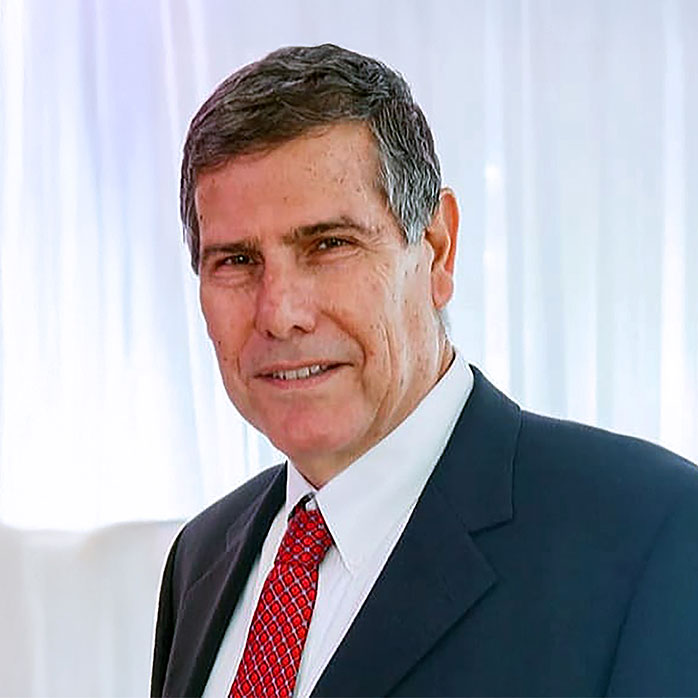
Prof. Refael Barkan, President of HIT, said that the School of Multidisciplinary Studies provides an answer to the challenges of the era of artificial intelligence. “As paradoxical as it sounds, technology has brought back the human factor and placed it at the center,” he said. According to him, the school can play a leading role in connecting academic units and in developing multidisciplinary programs.
Prof. Oded Potchter, Head of the Center, presented to the attendees two meteorological stations and a wireless sensor network for monitoring urban heat, intended to map hot and cool areas in the city and to establish solar-powered cooling points. He also announced that in March 2027 the Institute will host a conference addressing the worsening global climate crisis, in Israel and worldwide.


