

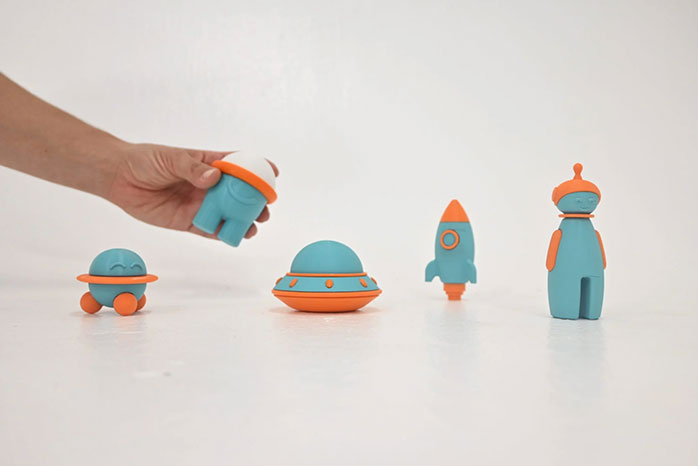
In the moments before a neurosurgical procedure, a scenario familiar to every pediatric physician often unfolds: the child refuses to cooperate. Frightened, withdrawn, uncomprehending, or simply unresponsive, the young patient poses a significant clinical challenge. According to data collected during the project, up to two-thirds of children arriving for pre-operative neurosurgical assessments struggle to engage with the examining physician even when a parent is present and offering encouragement.
The reasons are well documented: anxiety in an unfamiliar medical environment, fear of strangers, shyness, and at times language barriers. For the neurosurgeon, this creates a dual challenge: establishing rapport with the child is difficult, and even when contact is achieved, there is a lack of precise, quantitative tools to produce a comprehensive neurological picture. To date, no structured instruments have been available in hospitals or public health services to address these limitations.

It was into this gap that Ilona Lev stepped in, an industrial designer and lecturer in HIT’s Faculty of Design, with extensive expertise in medical device development and a portfolio of projects in Israel and abroad serving leading global medical companies. Within the framework of the Faculty’s Design Clinic course, Lev led a two-and-a-half-year project developed in full collaboration with Dr. Ido Ben Tzvi, a specialist neurosurgeon and Medical Director of the Innovation Center at Schneider.
The core concept driving the development was straightforward: if the child won’t come to the doctor, the game will come to the child. The system is designed to capture the child’s attention organically and spontaneously, allowing the physician to focus entirely on the examination itself — without expending resources on building trust or managing anxiety.

“This is precisely the power of Design Clinic,” says Ilona Lev. “It brings together students with creative, lateral thinking and a genuine medical need — and produces a solution that neither side could have reached alone.”
The system comprises three play-based tools, each assessing one of three core neurological domains as defined by Dr. Ben Tzvi:
Eye movement — visual tracking of a moving object
Gross motor strength — assessment of strength in the arms and legs
Coordination — response to a moving object in space, activated by finger touch
Results are recorded in real time via a dedicated application and transmitted to the neurosurgeon as quantitative data — not subjective impressions, but precise, reliable measurements that can directly inform clinical decision-making.
The Design Clinic team included students Hava Shmuelov, Shahar Greenboim, Uri David, Maayan Yarkoni, and Ella Kotler, under the mentorship of Ilona Lev. Medical expertise and clinical direction were provided throughout by Dr. Ben Tzvi, who was a full partner at every stage — as initiator, professional lead, and bridge between the world of design and the realities of clinical practice.

Design Clinic is a distinctive academic platform of HIT’s Faculty of Design, conceived to connect academic learning with real-world needs. Companies, organizations, and communities bring open-ended challenges; students work on them as they would in a professional studio — with experienced faculty guidance and full partnership with the commissioning body.


